

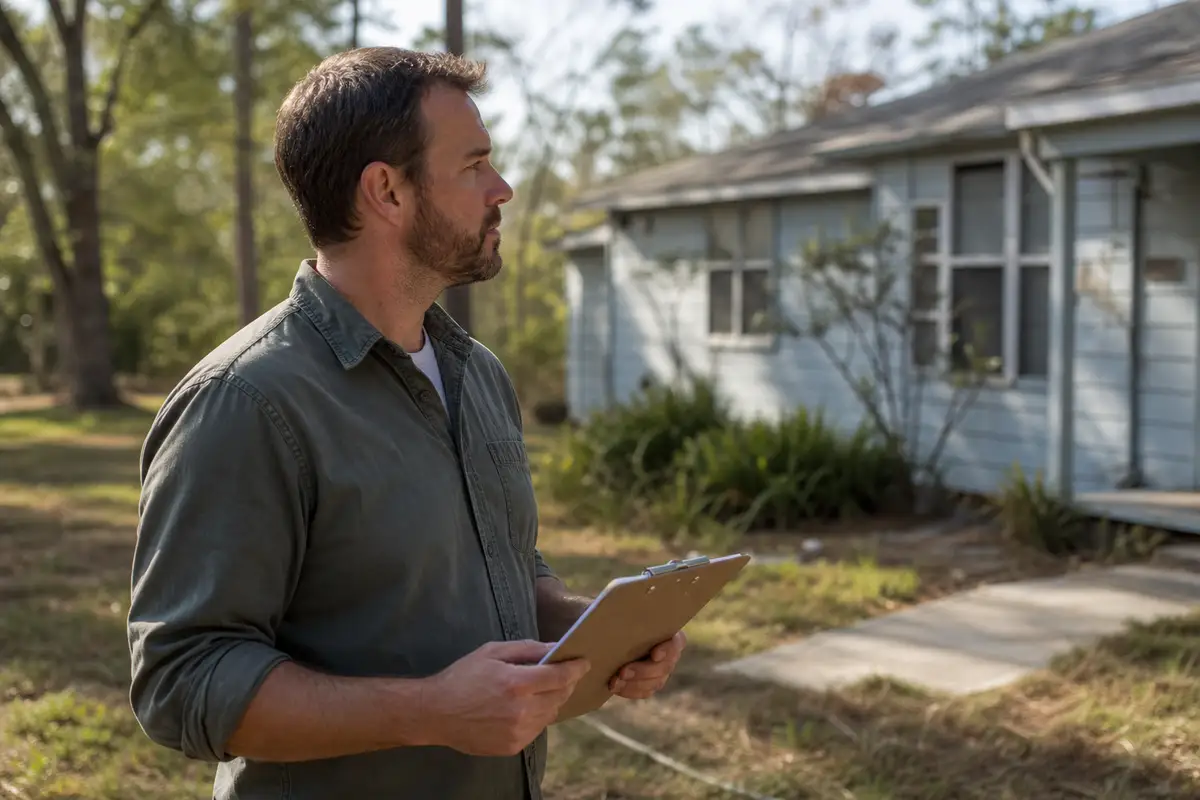
You drive past a quiet street in Macclenny, notice a small rental sitting empty, and something clicks. You have always wondered whether owning investment property could build long-term wealth, and Baker County suddenly looks like a place where that idea might actually work. Rural land, modest home prices relative to South Florida, and a steady local population make it worth exploring — but knowing where to start with financing is the part that stops most first-timers cold.
This post is for you: the person who has never bought an investment property before, who wants to understand the mortgage side of things before making any moves.
Why Baker County Is Worth a Closer Look for New Investors
Baker County sits in northeast Florida, anchored by its county seat of Macclenny. It is a rural community with a different character than the metro areas farther south. That rural identity matters when you are thinking about investment property because it shapes the type of real estate available, the tenant base, and the financing programs that may apply.
Single-family rentals are the dominant property type here. Small multi-unit buildings exist but are less common than in urban markets. For a first-time investor, that actually simplifies the decision — a single rental home is easier to manage, easier to finance, and a natural starting point for building experience.
Because portions of Baker County fall within USDA-designated rural areas, some buyers wonder whether USDA financing could help. It is worth noting that USDA loans are reserved for primary residences, so a pure investment purchase would not qualify under those programs. That said, if you are considering a property where you would occupy one unit, other loan structures may open up. Speaking with Jim Blackburn, NMLS #1072866, early in your planning process helps you sort through what actually applies to your situation.
The Financing Landscape for First-Time Real Estate Investors
Mortgage financing for investment properties works differently than it does for a home you plan to live in. Lenders view rental properties as carrying more risk, which means the requirements tend to be more specific.
Here is what first-time investors in Baker County typically encounter:
Down payment requirements. Investment property loans often require a down payment in the range of 15% to 25% of the purchase price. Your exact requirement could depend on the loan program, the property type, and your overall financial profile.
Credit score expectations. Lenders generally look for stronger credit profiles on investment property loans than on primary residence loans. Reviewing your credit report well before you apply gives you time to address anything that might affect your options.
Debt-to-income considerations. How much you already owe relative to your income plays a role in what programs you may access. Projected rental income from the property can sometimes be factored in, depending on the loan type.
Reserve requirements. Many programs want to see that you have liquid savings beyond your down payment and closing costs. This demonstrates you could cover mortgage payments even if the property sits vacant for a period.
Exploring our loan programs is a solid early step to understand which products may align with your financial situation and investment goals.
Short-Term vs. Long-Term Rental: Does It Affect Your Loan?
One trend shaping real estate investing right now is the growing interest in short-term rental strategies. Homeowners and small investors are exploring whether properties in their markets can generate meaningful income through platforms that connect travelers with local rentals.
In Baker County, the short-term rental market is not as deep as in coastal tourist destinations, but it is not irrelevant either. If you are considering that path, it is worth knowing that how you plan to use the property can affect your financing options. Some loan programs have specific guidelines around short-term rental income and how it may or may not be counted toward your qualifying income.
Long-term rentals — a tenant on a 12-month lease — remain the simpler path from a financing standpoint for most first-time investors. The income is easier to document, and lenders have established guidelines for evaluating it.
Whichever direction interests you, our mortgage calculators can help you run some early numbers on potential payment scenarios before you sit down with a loan officer.
Steps to Take Before You Apply
Getting ready to finance an investment property is a process, not a single event. Our step-by-step process outlines how buyers move from initial questions to closing, and it applies just as well to investors as to primary home buyers.
For first-time real estate investors specifically, a few preparation steps tend to matter most:
-
Pull your credit report. Know where you stand before a lender checks. Address any errors or outstanding items that could affect your profile.
-
Organize your financial documents. Two years of tax returns, recent pay stubs or income statements, and bank statements are standard starting points. If you are self-employed, expect lenders to look closely at your net income.
-
Define your budget with clarity. The purchase price is only part of the picture. Factor in closing costs, any repairs or updates the property needs, property management if you plan to hire out, insurance, taxes, and a vacancy reserve.
-
Research the Baker County rental market. Talk to local property managers, look at what comparable rentals are asking, and get a realistic sense of what a property might generate in monthly income. Do not rely on optimistic projections.
-
Have a conversation before you shop. Many first-time investors start browsing properties before they understand what they can finance. Getting pre-qualified first puts you in a much stronger position when you find the right property.
Jim Blackburn, NMLS #1072866, works with clients at Stairway Mortgage to help first-time investors in Baker County understand their financing options before they fall in love with a property that may not fit their financial picture. That early conversation can save a significant amount of time and frustration.
What Cashflow Actually Means for Your Loan Strategy
Cashflow — the income left after all property expenses are paid — is the goal most rental property investors are chasing. It sounds straightforward, but the mortgage you choose has a direct impact on whether a property cashflows or simply breaks even.
A property that generates strong gross rent but carries a large loan balance could end up costing you money each month once you account for the mortgage payment, taxes, insurance, maintenance, and vacancy. That is why the financing structure matters as much as the purchase price.
When you review loan options, pay attention to the total monthly obligation, not just the down payment or the program name. Use our mortgage calculators to model different scenarios and see how they affect your projected monthly picture.
Take Your First Step Toward Investment Property Ownership
Baker County offers a quieter entry point into real estate investing compared to Florida’s larger metro markets. Macclenny and the surrounding communities have real rental demand, manageable property types for first-time investors, and enough room to grow a small portfolio over time.
The financing side does not have to be overwhelming. With the right preparation and the right guidance, you could be in a position to make a confident, informed offer on your first investment property.
When you are ready to understand what loan options may be available to you, Talk to Our Team or See My Options to get started with Stairway Mortgage. You can also reach us directly at (954) 993-1625.