

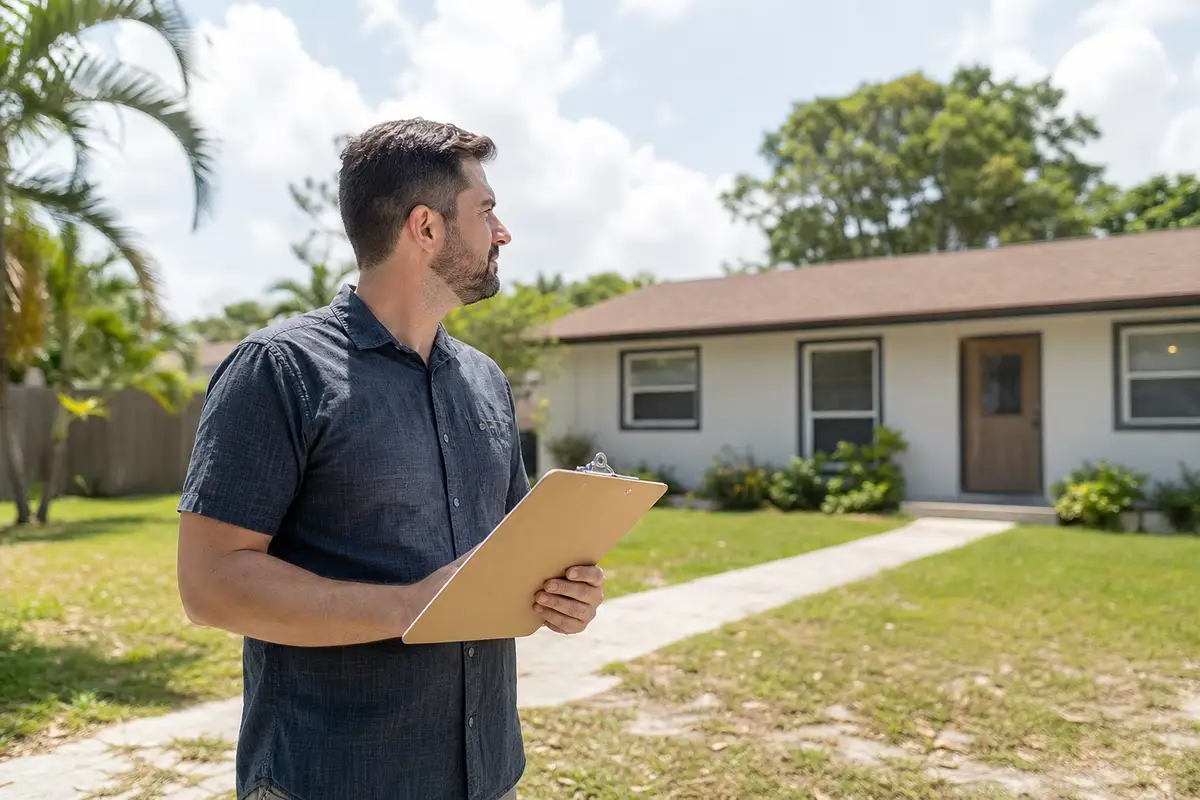
The Moment You Start Thinking Like an Investor
You have been watching the rental market in Bay County for a while now. Panama City Beach draws visitors year-round. Panama City itself has a steady population of renters — working families, military households, young professionals. You have seen what a well-placed rental property can do for someone’s long-term financial picture, and somewhere along the way you stopped just watching and started wondering: could I actually do this?
That shift in thinking is where most first-time real estate investors start. And it is also where the questions pile up fast. How is financing an investment property different from financing a home you live in? What does a lender actually look at? How do you go from curious to closing?
This post is designed to walk you through what that process looks like — specifically in Bay County, Florida — and to give you a realistic starting point before you make any moves.
Why Bay County Attracts First-Time Investors
Bay County occupies a stretch of the Florida Panhandle that blends coastal tourism with working-class neighborhoods and rural inland communities. That mix creates several different investment strategies depending on what you are looking for.
Short-term rental demand along the beaches has remained strong as more renters nationwide find themselves priced out of buying a home and opting to travel or relocate instead of purchasing. Long-term rental demand in areas like Lynn Haven and Callaway tends to be driven by steady local employment and proximity to Tyndall Air Force Base.
Further inland, portions of Bay County include more rural land where property prices tend to be lower and some parcels may fall within USDA-eligible areas — though keep in mind USDA programs are structured for primary residences, not investment purchases.
All of that variety is actually useful for a first-time investor. It means you have options at different price points and risk profiles, rather than being locked into a single type of property or neighborhood.
How Investment Property Financing Differs From a Primary Home Loan
This is where many first-time investors get surprised. The loan you use to buy a rental property is not the same product you used — or would use — to buy a home you live in.
Lenders treat investment properties as a higher risk category. Because of that, you will generally face:
- Higher down payment requirements. Many programs for non-owner-occupied properties require 15% to 25% down, sometimes more depending on the property type and your overall financial profile.
- Reserve requirements. Lenders often want to see that you have a certain number of months of mortgage payments sitting in savings after closing. This protects against vacancy periods.
- Stricter income and credit review. Your ability to service the debt matters, and lenders will look at your full financial picture carefully.
Expected rental income from the property may help your qualifying picture in some cases, but it is not always counted the same way as your personal income. How that income is treated depends on the loan program and the specifics of your file.
If you want to understand how these factors might apply to your situation, our step-by-step process is a solid place to get oriented before you speak with anyone.
Loan Programs Worth Knowing About
First-time investors are often surprised by how many options exist beyond a standard conventional loan. While conventional financing is the most common route for investment properties, there are other structures worth understanding.
DSCR Loans (Debt Service Coverage Ratio): These loans are designed specifically for real estate investors. Instead of qualifying based on your personal income, the lender looks at whether the property’s expected rent covers the debt payment. This can open doors for investors who are self-employed or whose personal income picture is complicated.
Portfolio Loans: Some lenders hold loans in-house rather than selling them on the secondary market. These can offer more flexibility in how they evaluate your file.
Conventional Investment Loans: These follow standard guidelines and are often a strong fit for first-time investors with solid credit and verifiable income.
To explore what programs may fit your situation in Bay County, take a look at our loan program options or use our mortgage calculators to start running some rough numbers on a potential property.
What the Process Actually Looks Like
One of the most common mistakes first-time investors make is trying to find the property before they understand the financing. When you do it in the wrong order, you end up losing deals because you are not ready to move, or you discover too late that the property type or price point does not match what you can access.
A more practical sequence tends to look like this:
- Understand your financial picture. Know your credit, your savings, and your income documentation before you start shopping.
- Talk to a loan originator who works with investors. Not every mortgage professional has experience with non-owner-occupied purchases. This matters.
- Get clear on your strategy. Short-term rental, long-term rental, house hack — your financing may differ based on what you plan to do with the property.
- Then start looking at properties with a realistic sense of what you can finance and what the numbers need to look like to make sense.
Jim Blackburn, NMLS #1072866, works with first-time investors navigating exactly this kind of process in Bay County and across Florida. He can help you understand what a lender will look at and what you might be able to access before you get deep into a property search.
A Realistic Look at Cash Flow
Cash flow is the reason most people want to own rental property. It is also the concept that gets oversimplified the most.
A property’s cash flow is what remains after you have paid the mortgage, taxes, insurance, property management fees, maintenance reserves, and any HOA costs. That number is often smaller than new investors expect — especially in a market like Bay County where property values have risen and insurance costs in coastal Florida have increased alongside them.
That does not mean the investment does not make sense. It means you need to do the math carefully and account for realistic expenses rather than optimistic ones. Building equity over time, depreciation benefits, and long-term appreciation can all be part of an investment property’s value — but none of that replaces the need for a sound, realistic cash flow analysis before you close.
Using our mortgage calculators is a good early step for stress-testing a property’s numbers before you get attached to it.
Take the First Step in Bay County
Bay County has the kind of market diversity that can work for a thoughtful first-time investor. Coastal properties, suburban rentals in Panama City, and quieter inland options all represent different entry points with different risk and return profiles.
What stays consistent across all of them is the need to understand your financing before you commit to anything. That is where Jim Blackburn, NMLS #1072866, comes in. He brings experience with investment property financing and a practical, honest approach to helping first-time investors understand what they may be able to access.
If you are ready to get clear on your options, reach out at (954) 993-1625 or start by reviewing our step-by-step process to understand how the journey from curious to closing typically unfolds.
When you are ready to talk specifics, Talk to Our Team and take a real look at what your first investment property in Bay County could look like.