

Your Baker County Home Has More Potential Than Its Current Condition Suggests
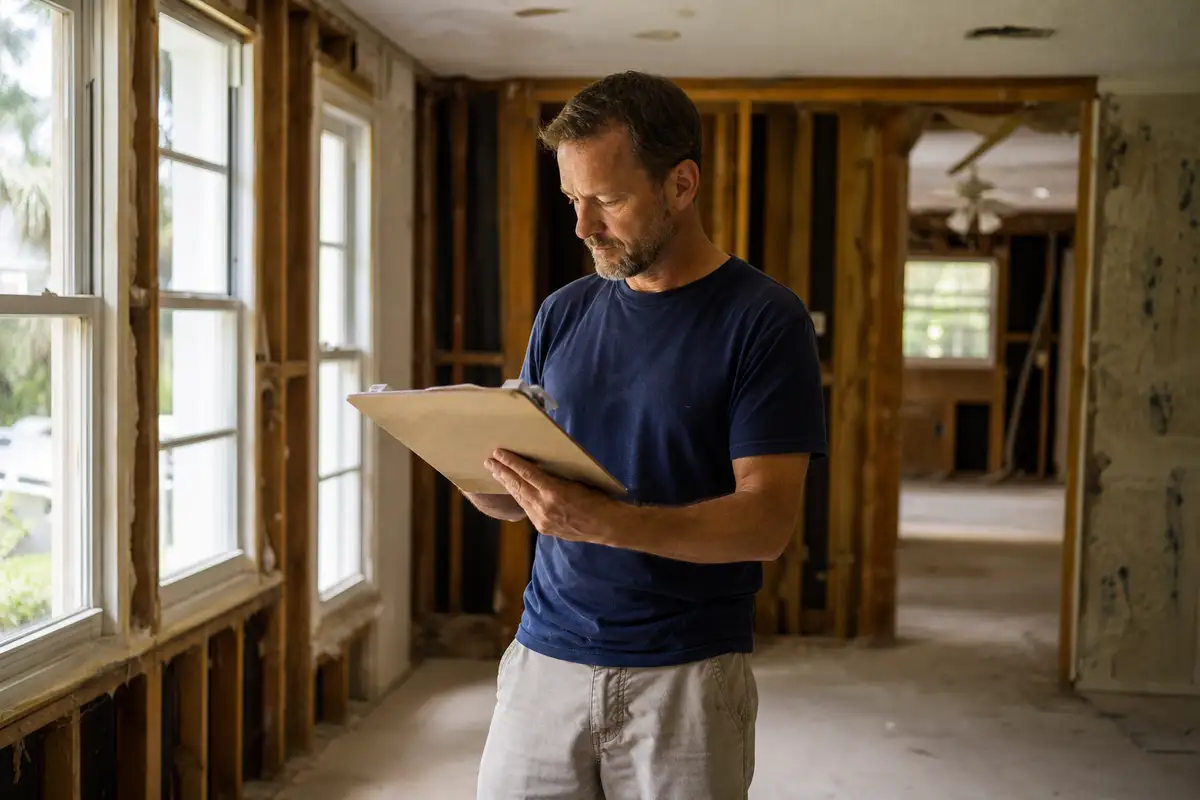
You bought your place in Macclenny or somewhere out in the quieter stretches of Baker County knowing it had room to grow. Maybe the roof needs replacing before another hurricane season arrives. Maybe the kitchen hasn’t been touched since the 1980s, or the HVAC system is running on borrowed time. The bones are solid, but the work needed feels financially out of reach — especially when savings are already stretched thin.
This is exactly the situation a renovation loan is built for. Rather than draining an emergency fund or waiting years to accumulate enough cash, you may be able to finance the renovation alongside your existing mortgage or as a standalone loan tied to your home’s improved value.
Stairway Mortgage works with Baker County homeowners to find renovation financing that fits real-life situations — not ideal ones.
Why Renovation Loans Are Getting More Attention Right Now
Across the country, homeowners are rethinking how they fund improvements. Many are holding onto properties longer rather than selling into an uncertain market. That shift has renewed interest in financing options that let people invest in the homes they already own.
In Baker County, this trend makes particular sense. The local housing stock skews older in many neighborhoods, and the rural character of the county means there isn’t always a newer, move-in-ready alternative nearby. If you want a modern, well-functioning home in this area, in many cases you have to create it yourself — and financing can make that possible.
At the same time, contractor fraud has become a real concern nationally. Stories of homeowners paying large deposits to contractors who disappear or deliver substandard work are increasingly common. One layer of protection in some renovation loan structures is that funds may be disbursed in stages tied to verified project milestones rather than handed over in a lump sum upfront. That kind of built-in structure could reduce your exposure to unscrupulous contractors.
What Renovation Loan Programs Could Work for You
There are several renovation loan structures worth understanding. The right one depends on whether you’re buying or already own, how much work you’re planning, and the type of property involved.
FHA 203(k) loans come in two versions. The limited version is designed for projects that fall under a certain cost threshold and don’t involve structural changes. The standard version covers more extensive work, including structural repairs and larger-scale renovations, and requires a licensed consultant to manage the process. Because FHA programs are government-backed, they often have accessible qualification criteria.
Fannie Mae HomeStyle loans are conventional renovation loans that may allow a broader range of improvements and could work for primary residences, second homes, or investment properties depending on the circumstances.
USDA renovation loans may be an option worth exploring in Baker County specifically. Much of the county qualifies as a USDA-eligible rural area, which means programs tied to rural development could apply to your property. This is a path Jim Blackburn, NMLS #1072866, can help you evaluate based on your address and financial picture.
To get a clearer sense of how these programs compare and which might apply to your situation, our renovation loan program page is a good starting point.
How the Process Works From Application to Completed Project
Renovation loans involve a few more moving parts than a standard purchase or refinance. Understanding the general flow can help you feel prepared rather than surprised.
First, you’ll work with a loan professional to determine which program fits your situation and get pre-qualified. Next, you’ll need contractor bids for the planned work — lenders want to see detailed cost estimates before the loan is finalized. The home will be appraised based on its projected value after the renovations are complete, which is how the loan amount is determined.
Once the loan closes, funds for the renovation portion are typically held in an escrow account and released as work is completed and inspected. This protects both you and the lender by ensuring money follows verified progress.
If you want to understand where renovation financing fits within the broader homeownership journey, our step-by-step process walks through how lending decisions connect to larger housing goals.
Common Questions Baker County Homeowners Ask
Can I use a renovation loan on a manufactured home? Some programs may allow it, though the specific criteria vary. Baker County has a meaningful number of manufactured and modular homes, so this question comes up regularly. The answer depends on the age of the home, whether it’s on a permanent foundation, and which loan type you’re pursuing.
What if my home needs work just to meet basic livability standards? This is actually one of the situations renovation loans are most useful for. If a property has deferred maintenance that makes it difficult to sell or refinance conventionally — think failing septic systems, roof damage, or outdated electrical — a renovation loan may be the path that opens other options.
How much can I borrow? Loan limits depend on the program, your financial profile, and the after-renovation appraised value. Using our mortgage calculators can help you think through what different loan amounts might look like in terms of monthly obligations before you sit down with a loan professional.
What to Watch Out For During the Process
Renovation loans are structured to protect homeowners, but they do require more coordination than a standard loan. A few things to keep in mind:
- Get multiple contractor bids. Lenders typically want competitive estimates, and this also protects you from overpaying.
- Work with licensed, insured contractors. This isn’t just good practice — it’s often a program requirement.
- Understand the timeline. Renovation loans sometimes have completion deadlines built in. Delays in construction can create complications.
- Avoid scope creep. It can be tempting to keep adding to a project, but changes mid-loan can slow disbursements and complicate things.
Stairway Mortgage can help you anticipate these friction points before they become problems. That kind of guidance is part of what working with a local mortgage professional offers, as opposed to navigating a large online lender that doesn’t know Baker County.
Working with a Local Team Who Knows Your Market
Baker County is not a metro area. Properties here often sit on larger lots, may have well and septic systems rather than municipal utilities, and sometimes have characteristics — like rural location or older construction — that require a lender who knows how to work within those parameters.
Jim Blackburn, NMLS #1072866, leads Stairway Mortgage out of Fort Lauderdale and works with Florida homeowners navigating exactly these kinds of property situations. The goal is always to find a path that reflects your actual home and your actual goals — not a one-size-fits-all approach.
You can reach the team directly at (954) 993-1625, or explore what programs might apply to your situation by visiting our loan programs overview.
If you’re ready to find out what renovation financing could look like for your Baker County home, Talk to Our Team and start the conversation today.