Building From the Ground Up in Baker County
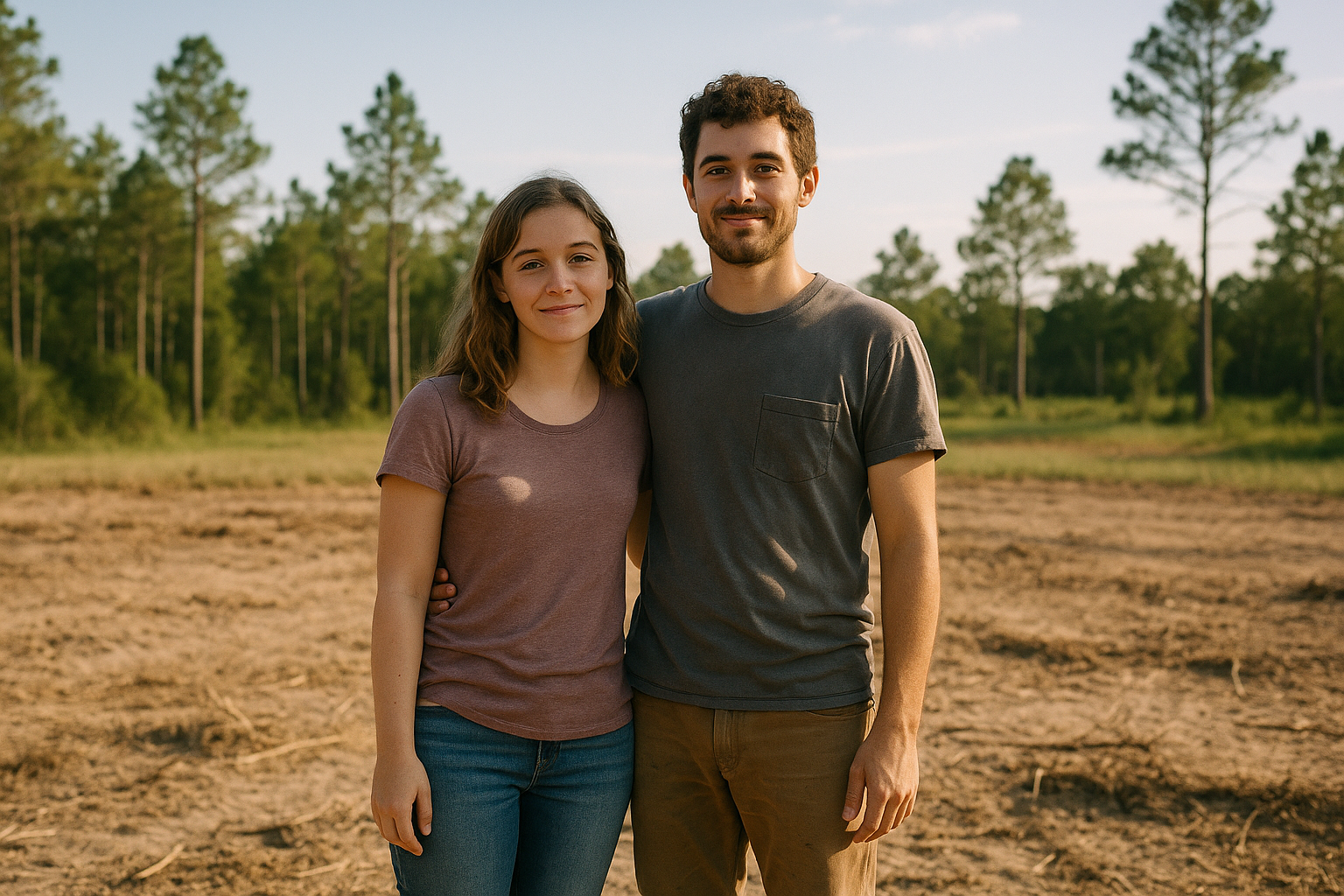
You have found a piece of land outside Macclenny, or maybe you have been eyeing a quiet road in Baker County for years. You know what kind of home you want to build, but the financing side feels unclear. Construction loans are not the same as purchase loans, and USDA construction loans in particular have their own rules around where you can build, what you can build, and who qualifies.
The good news is that Baker County’s rural character makes it a promising area for USDA eligibility. If you want to understand how this works before talking to anyone, this guide is a solid starting point.
What Makes Baker County a Strong Fit for USDA Construction
Baker County sits in northeast Florida, just west of Jacksonville, and it carries a distinctly rural feel. Macclenny, the county seat, is a small town surrounded by farmland, pine forests, and wide open lots — exactly the kind of geography the USDA rural development programs were created to support.
Because Baker County does not have the dense suburban development you find in Broward or Miami-Dade, many parcels here fall within USDA-eligible zones. That matters because USDA construction financing is tied to location. If your lot is not in a USDA-eligible area, the program is simply not available to you, regardless of your income or credit profile.
Before you fall in love with a specific piece of land, checking USDA property eligibility should be one of your first steps. Our USDA construction loan program page walks through what to look for.
How a USDA Construction Loan Actually Works
A USDA construction loan is designed to combine the land purchase, construction costs, and permanent financing into a single transaction. This is often called a one-time close or single-close construction loan, and it can reduce the paperwork and closing costs you would face if you used two separate loans.
Here is a simplified version of the timeline:
- You find a lot in an eligible area and work with a licensed builder
- The lender reviews the construction plans, budget, and your financial profile
- Funds are drawn in stages as construction milestones are completed
- Once the home is finished and a certificate of occupancy is issued, the loan converts to a permanent mortgage
The USDA requires that the builder be licensed, insured, and approved through the lender. Not every builder has worked with USDA construction financing before, so it is worth having that conversation with your contractor early.
You can also explore our loan programs overview to compare this option alongside other financing paths.
Income and Eligibility Requirements to Know
USDA loans are income-capped programs, meaning your household income must fall within the limits set for Baker County. These limits are based on household size and are updated periodically. They are not as low as some people assume — many moderate-income households qualify.
Beyond income, the USDA looks at:
Credit history. There is no single cutoff score, but most lenders working with USDA construction loans look for a demonstrated pattern of on-time payments and manageable debt. If your credit file has some blemishes, that does not automatically remove you from consideration.
Debt-to-income ratio. The amount you owe each month relative to what you earn factors significantly into whether the loan structure works for your situation.
Primary residence requirement. The home you build must be your primary residence. Investment properties and vacation homes do not qualify under USDA programs.
Jim Blackburn, NMLS #1072866, works with buyers at different stages of readiness. Whether you have already found your lot or you are still figuring out the numbers, you do not have to have everything sorted before reaching out. See My Options and start the conversation.
The Builder and the Build: What the USDA Cares About
One thing that surprises people new to USDA construction loans is how closely the program monitors the construction process. This is not a program where you can owner-build your own home without oversight. The lender and the USDA want to see that a qualified contractor is managing the project, that the plans meet local code, and that draws are tied to verified progress.
For Baker County buyers, this means working with a builder who is comfortable with draw schedules and USDA inspections. Some builders who specialize in prefab or modular construction are increasingly familiar with how to structure these projects for USDA financing, which is a trend worth paying attention to as more builders adapt to rural demand.
If you are not sure whether your preferred builder meets the requirements, that is a question Jim Blackburn, NMLS #1072866, and his team at Stairway Mortgage can help you work through before you sign anything with a contractor.
Modular and Prefab Homes in Baker County
There is growing interest in modular and prefab construction as an option for rural homebuyers. These homes can sometimes be built faster and with greater cost predictability than traditional stick-built construction. USDA construction financing may be available for certain modular or manufactured home builds, depending on how the home is classified and whether it will be titled as real property.
Baker County’s land availability makes it a realistic place to pursue this kind of build. The key is making sure the property, the home type, and the financing all align before you start signing contracts. Reviewing our step-by-step process can help you understand where USDA construction fits in the overall homebuying sequence.
What to Do Before You Apply
If building in Baker County is genuinely on your radar, here are practical steps to take now:
- Check property eligibility. Use the USDA’s eligibility map to confirm your target lot qualifies.
- Review your income. Look up the household income limits for Baker County and compare them to your household’s gross annual income.
- Pull your credit report. Understanding where your credit stands gives you a realistic picture of the timeline ahead.
- Find a licensed builder. Talk to local contractors about their experience with USDA construction projects.
- Talk to a loan officer early. The earlier you involve financing, the fewer surprises you face during the build.
You can also run some preliminary numbers using our mortgage calculators to get a rough sense of what monthly payments might look like once the construction converts to a permanent loan.
Ready to Explore Your Options?
Building in Baker County is possible with the right financing structure in place. USDA construction loans offer a path that fits the rural character of the county and may allow eligible borrowers to build without a down payment.
Stairway Mortgage is based in Fort Lauderdale and serves buyers across Florida, including those building in rural counties like Baker. Reach out to the team at (954) 993-1625 or Talk to Our Team to discuss what USDA construction financing could look like for your specific lot, budget, and timeline.