Building on Rural Land in Baker County
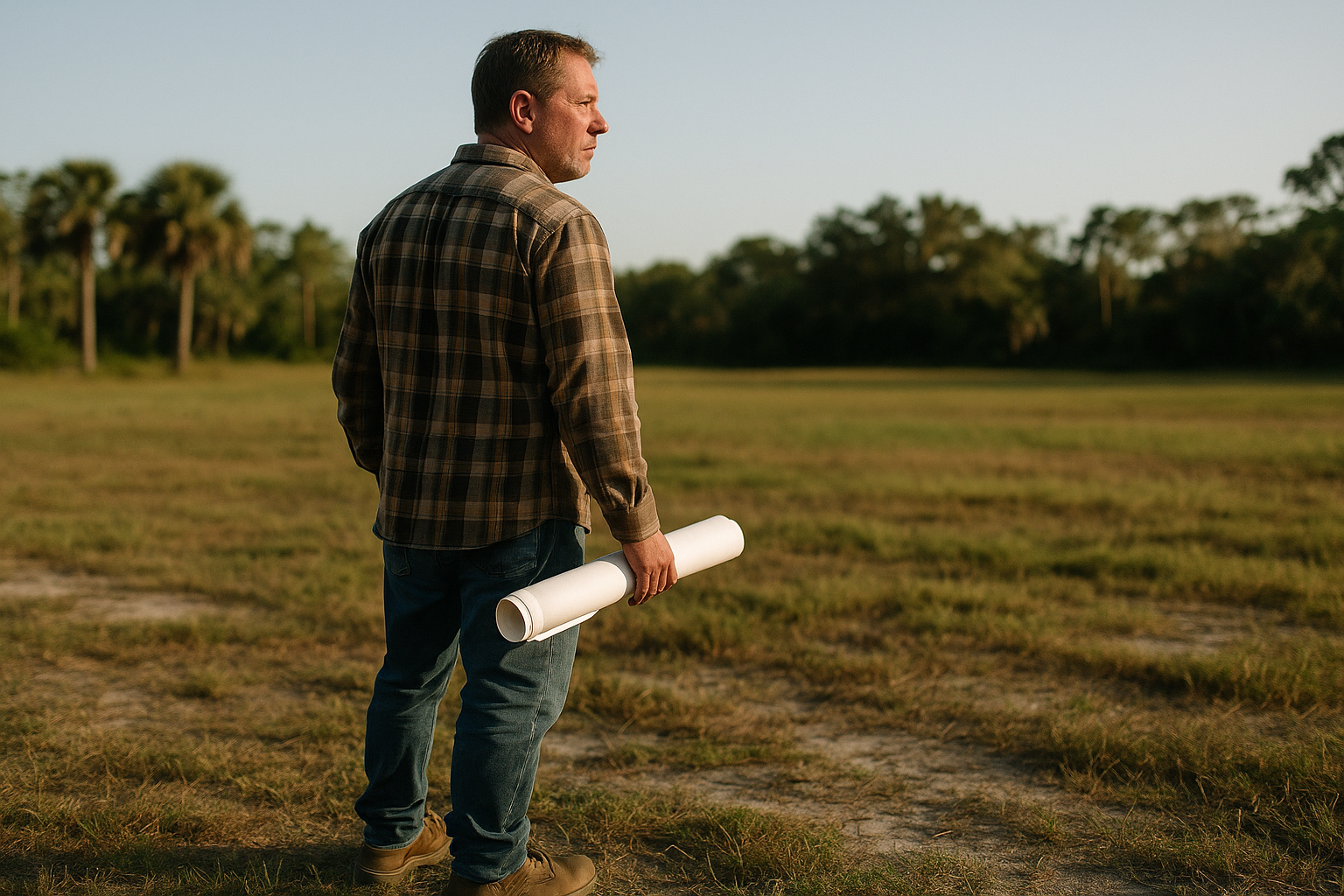
You own a parcel outside Macclenny, or you have found one that feels right. The land is zoned for residential construction, the lot is quiet, and Baker County is exactly the kind of place you have been looking for — space, affordability, and a slower pace than the South Florida corridor. Now comes the harder question: how do you finance the build itself?
This is where many people in Baker County hit a wall. Traditional construction financing and USDA construction programs are structured very differently, and choosing the wrong one early can cost you months of delays or require a larger cash outlay than you planned. Understanding both options — and which one fits your specific situation — is the first real step toward breaking ground.
What Makes Baker County a USDA-Eligible Area
USDA loan programs exist to support housing development in rural and semi-rural communities. Baker County, with its agricultural character, small towns like Macclenny and Glen St. Mary, and low population density, fits the profile of the communities these programs were designed to serve.
That matters because USDA construction financing carries distinct advantages for eligible borrowers. It may allow you to bundle land acquisition and home construction into a single loan product, reducing the number of closings you navigate and potentially lowering the upfront cash required compared to stacking multiple loan instruments.
USDA and federal housing agencies have also been working more actively in recent years to streamline how rural affordable housing gets financed and approved — a direction that could make the process more accessible for buyers in counties like Baker. None of that removes the need to verify your specific parcel’s eligibility, but the broader policy environment is moving toward more support for rural homebuilders, not less.
You can explore our USDA construction loan program details to get a clearer picture of the structure before you make any decisions.
How Traditional Construction Financing Works
Traditional construction loans — often called construction-to-permanent loans or stand-alone construction draws — have been the default for decades. Here is how they typically work:
- You either own the land outright or secure a separate land loan first.
- A lender funds the build in phases, releasing draws to your contractor as work is completed and inspected.
- Once the home is finished, the construction loan converts to a standard mortgage, or you refinance into one.
This structure gives you flexibility with your builder and timeline, and it does not restrict you to rural property types. However, it almost always requires a meaningful down payment, strong credit, and documented reserves. If you are building in Baker County on a tighter budget or with a less conventional financial profile, those requirements can be a real obstacle.
Traditional construction financing also means two or more separate processes — the build phase and the permanent loan — each with its own closing costs, documentation requirements, and potential delays.
How USDA Construction Financing Differs
USDA’s construction loan pathway is structured as a single-close product in most cases. That means one application, one appraisal, one closing — and your loan converts automatically to a permanent mortgage once construction is complete.
For eligible borrowers in Baker County, this could mean:
- No separate land loan required if you are purchasing the lot as part of the transaction
- A lower required down payment compared to conventional construction products
- A path to financing a new build in a rural area even if your savings are limited
There are real requirements attached to this program. The property must be in a USDA-eligible zone, the home must be your primary residence, and your income must fall within USDA guidelines for the area. Your builder also needs to be approved for USDA construction projects, which is a step some borrowers overlook until it causes a delay.
Jim Blackburn, NMLS #1072866, works through these requirements with clients regularly and can help you understand where you stand before you commit to a builder or a lot.
Side-by-Side: Choosing the Right Path
Neither financing structure is universally the right choice. Here is a practical way to think about which one might fit your situation.
USDA construction financing may be a stronger fit if:
- Your property is in a USDA-eligible rural zone in Baker County
- You want to minimize out-of-pocket costs at closing
- You are buying land and building in a single transaction
- You plan to occupy the home as your primary residence
Traditional construction financing may be worth exploring if:
- Your lot is not in a USDA-eligible area
- You are building an investment or vacation property
- You want maximum flexibility in builder selection
- Your income or property type falls outside USDA guidelines
The honest answer is that your individual credit history, income documentation, land status, and build timeline all shape which option makes the most sense. That is why talking through the specifics with someone who knows both programs is worth doing early — before you have signed a contract with a builder.
You can also work through our mortgage calculators to model out rough payment scenarios for each approach.
What the Process Looks Like From Here
If you are building in Baker County and USDA construction financing sounds like it could be relevant to your situation, the first practical steps are straightforward.
First, verify that your specific lot or target parcel falls within the current USDA eligibility map. These maps are updated periodically, and a parcel that was eligible two years ago may have been reclassified. Second, review your income relative to USDA area median income limits for Baker County. Third, identify whether your intended builder has worked with USDA construction loans before or is willing to go through the approval process.
You can get a broader overview of all the loan paths available to you by reviewing our full loan programs page, which lays out the options in plain terms.
For a step-by-step view of how the process unfolds from initial conversation through closing, our step-by-step guide walks through each phase clearly.
Jim Blackburn, NMLS #1072866, at Stairway Mortgage has worked with buyers and builders across rural Florida and understands the specific questions that come up when you are trying to build in a county like Baker — where land is available but financing knowledge is sometimes harder to find locally. You can reach the team directly at (954) 993-1625.
Ready to Explore Your Build Financing Options?
Building a home in Baker County on your own terms is a real possibility. Whether USDA construction financing or a traditional construction loan turns out to be the right fit, the path forward starts with understanding both clearly.
Talk to Our Team to walk through your situation, verify your property eligibility, and map out a financing approach that fits your timeline and your land.